Precision and contextual intelligence have become the new differentiators in search. The rise of generative search optimization techniques has changed the playbook, shifting the focus from traditional keyword SEO Company Boston boston local seo company stuffing to a blend of hyperlocal relevance and AI-driven content experiences. For marketers and agencies looking to carve out an edge, the intersection of geotargeting and generative AI search engine optimization offers a path to rankings that not only climb but stick.
The Changing Search Arena
Organic visibility used to hinge on broad authority and keyword repetition. Now, algorithms reward specificity, context, and user intent. Google’s AI-powered overviews, as well as ChatGPT’s search-like summaries, force us to rethink what it means to “rank.” It is no longer about blue links alone. Instead, it is about winning premium real estate in rich answers, local packs, and conversational AI outputs.
The rules are shifting beneath our feet. If you want to thrive in this new landscape, you must understand both the power of location data (geotargeting) and the nuances of generative search optimization.
Why Geotargeting Still Matters
Despite global connectivity, most searches carry a local or contextual undercurrent. Data from Google indicates that nearly one-third of mobile searches have local intent. Whether someone asks for “best vegan bakery near me” or “emergency plumber in Brooklyn,” the algorithm parses both topic and geography.
Pure SEO without geo context can drive traffic but miss conversion-ready audiences. For example, a legal services website ranking nationally for “DUI attorney advice” may see thousands of hits with little lead generation if it fails to surface for “DUI lawyer San Mateo.” The intent is specific - users want solutions relevant to their immediate location.
Lessons from Local Campaigns
Years spent optimizing multi-location businesses reveal some critical patterns:
- Custom landing pages tailored by city or neighborhood routinely outperform generic ones. NAP consistency (Name, Address, Phone) remains non-negotiable for local rankings. Reviews aggregated by location signal trustworthiness to both users and algorithms. Schema markup for addresses and service areas helps search engines disambiguate overlapping entities.
Generative AI tools can amplify these efforts by crafting unique hyperlocal content at scale - but only when combined with accurate geo data.
What Is Generative Search Optimization?
Generative search optimization refers to enhancing web properties so they appear favorably within generative AI-powered search experiences: think Google’s AI Overviews or the synthesized answers in ChatGPT’s Browse mode. Unlike classic SEO focused solely on keywords and backlinks, generative approaches prioritize context-rich content that aligns with conversational queries.
For agencies specializing in generative ai search engine optimization or those exploring what is generative search optimization for the first time, it means retooling strategies around user experience signals: clarity of purpose, depth of answer, trust cues, and adaptability across different interfaces.
It also requires an understanding that ranking in ChatGPT differs from ranking in Google’s traditional ten blue links. The former values concise summaries and authoritative snippets; the latter still leans on domain strength but increasingly rewards nuanced coverage.
Where Geo Meets GenAI: Synergies & Tactics
Marrying geotargeting with generative ai search engine optimization unlocks next-level results. Imagine a scenario where your site not only ranks in Google Maps local pack but also becomes the featured source when ChatGPT fields a question about your city’s best options.
Here is how this synergy plays out:
Contextualized Content Generation
Instead of producing one-size-fits-all articles (“Top 10 coffee shops”), use GenAI tools to create distinct versions per locale (“Top 10 coffee shops in Logan Square”). Fine-tune each variant using neighborhood landmarks or local slang so that both human readers and LLMs recognize authenticity.
Enhanced Structured Data
By marking up your pages with detailed geographical schema - including service areas, GPS coordinates, and place types - you help algorithms connect content with place-specific queries. This increases eligibility for inclusion in location-aware generative responses.
Adaptive User Experience
Generative search optimization user experience demands fluid adaptation across devices and platforms. For example: deploy pop-ups suggesting nearby stores based on IP address or GPS data; dynamically serve reviews from customers within a user’s city; update hours/availability seasonally according to regional norms.
Practical Example: Multi-location Restaurant Chain
A national restaurant chain wanted to boost reservations from organic channels post-pandemic. Their old approach relied on a single menu page per cuisine type. By shifting toward generative ai search optimization tips such as individualized landing pages per neighborhood - each crafted using GenAI models trained on local events calendars and review sentiment - their presence improved across three axes:
They entered AI Overview answers for “brunch spots near [neighborhood].” They surfaced as recommendations within voice assistant platforms. Their booking rates jumped by 22% quarter-over-quarter in targeted locales.The secret was combining geo data (zip codes served) with GenAI-driven copy tuned for each area’s dining trends.
Ranking in Google AI Overview & Beyond
Winning placement within Google’s AI Overview involves more than just technical SEO hygiene. You must balance authority with relevance at micro-geographical levels - something traditional playbooks rarely addressed directly.
To improve how you rank in google ai overview search engine results:
- Prioritize clear answers backed by reputable sources. Structure information using headings that echo common questions (“What are the top-rated dentists near Oak Park?”). Use FAQ schema so your responses feed directly into answer boxes. Layer geo signals into both metadata (titles/descriptions) and body text. Ensure your business information matches across all digital footprints (site listings, Google Business Profile).
The same principles apply if your goal includes ranking in Chat GPT responses: strive for clarity, completeness, genuine expertise, and subtle geo flavor woven through every sentence rather than forced repetitions of city names.
Edge Cases & Trade-Offs
Not every business benefits equally from combining geo vs. seo techniques with generative search optimization strategies. Some pitfalls arise:
Over-localization Risks
If every page sounds like a template stuffed with zip codes but lacks substance (e.g., “Pizza delivery 60622”), trust erodes quickly - both from users and LLM detection filters which penalize formulaic copy.
Resource Allocation
Maintaining hundreds of hyperlocal pages requires editorial oversight. Automation via GenAI can help but must be paired with periodic human review to catch outdated facts (“Now serving vegan options!”) or shifting competitive landscapes (“New competitor opened next block”).
Algorithmic Volatility
AI-generated summaries sometimes draw unexpected sources into overviews or omit established leaders due to data freshness or ambiguity in markup. Seasoned practitioners monitor their presence not just weekly but daily during major algorithm updates.
Search Generative Experience Optimization Tactics That Work
Having tested dozens of approaches across industries ranging from home services to hospitality, several tactics consistently emerge as effective:
Feed LLMs high-quality geo-contextualized data via structured markup. Answer real-world questions using natural language that reflects how locals talk. Establish topical authority by publishing insights into trends affecting each area served. Solicit authentic reviews specifically referencing neighborhoods or landmarks. Monitor performance using tools capable of tracking both classical rankings and visibility within AI-generated answer panels.Real-World Impact: A Case Study
A mid-sized HVAC company serving six metro regions partnered with a generative ai search engine optimization agency last year. Initially reliant on boilerplate pages (“Heating repair near you”), their visibility plateaued despite high ad spend.
The agency overhauled their strategy:
- GenAI models generated unique troubleshooting tips referencing weather patterns by region (“Furnace issues during Denver blizzards”). Embedded maps highlighted nearest technicians’ response times. Review widgets filtered testimonials by suburb. FAQ sections answered questions like “How much does AC repair cost in Aurora vs. Lakewood?”
Within six months:
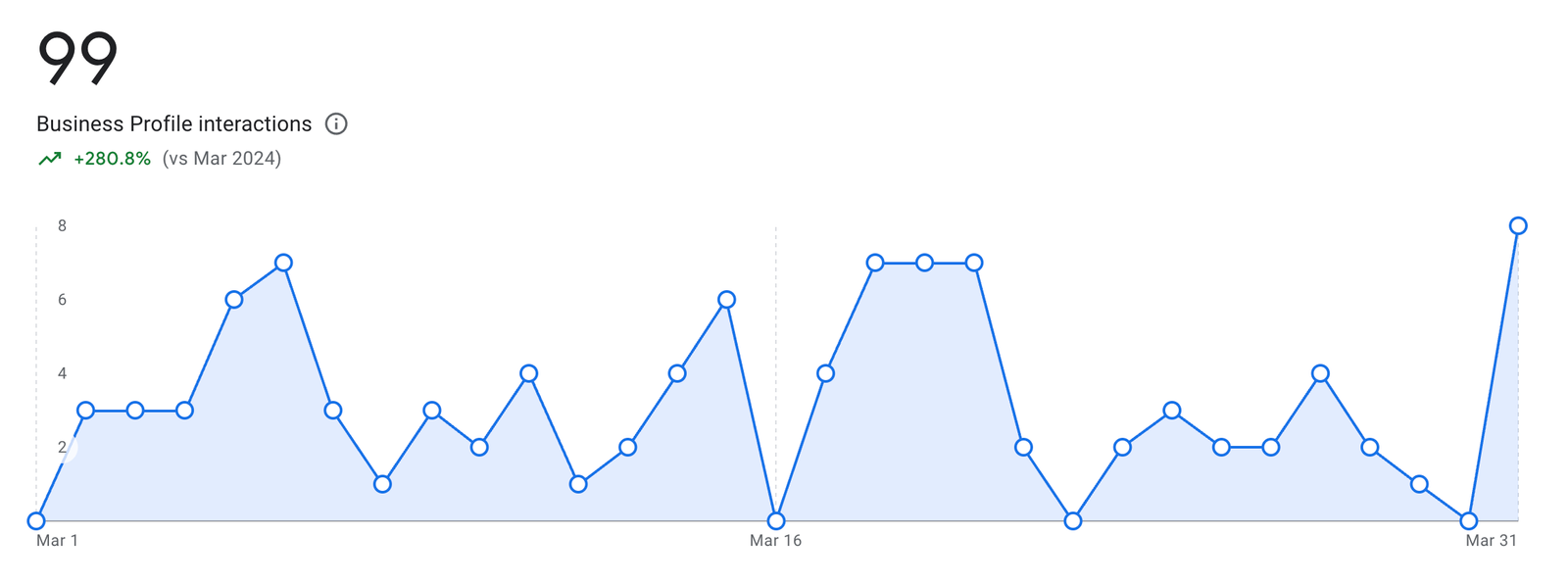
- Organic leads doubled. Appearance as a source within Bing’s generative summaries went from zero instances per month to an average of twelve. Bounce rates on geo-targeted pages dropped by 17 percent as users found information tailored to their area faster.
This illustrates how weaving together geo signals with GenAI-generated content yields measurable lift across both classic SEO metrics and emerging generative experiences.
Future-Proofing Your Approach
The evolution toward generative-first search experiences will continue accelerating. Brands must invest now in systems enabling rapid creation of authentic hyperlocal content while maintaining editorial quality control.
Smart organizations are training their teams not just on technical implementation but also on how language models interpret geographic nuance versus mere keyword presence. They are building feedback loops so insights gained from monitoring performance within Google AI Overview flow directly into their editorial calendars.
Those who ignore either piece - geo or GenAI - will find themselves outranked by competitors who embrace both as twin engines propelling digital reach further than ever before.
Takeaways for Practitioners
To harness the full benefits of combining geotargeting with generative search optimization techniques:
Audit your current content for gaps between user intent by region versus generic offerings. Invest in structured data implementation that clearly connects each page with its target geography. Leverage GenAI tools judiciously - always reviewing output for accuracy and authenticity. Monitor performance not just by traffic numbers but by appearance within AI-generated summaries. Stay nimble as algorithmic preferences evolve at pace; what ranks today may need recalibration tomorrow.The brands achieving next-level rankings will be those who fuse the granularity of geotargeted strategy with the adaptability of GenAI-powered content creation - always keeping real human needs at the center of every optimization effort.
SEO Company Boston 24 School Street, Boston, MA 02108 +1 (413) 271-5058