Boston is a city of paradoxes. Tech capital and colonial cradle, its neighborhoods shift from historic brickwork to glimmering glass in the span of three blocks. For those chasing digital visibility here, the search landscape mirrors the city itself: dense, competitive, and shaped by quirks only insiders notice. Over a decade of optimizing websites for Boston-based businesses, I’ve seen patterns emerge that rarely get the spotlight on national SEO blogs. Ranking in Boston isn’t just about domain authority and backlinks - it’s about deeply understanding local nuance, neighborhood identity, and how search intent shifts from Back Bay to Brighton.
The Hyperlocal Fabric: Boston Is Not One Market
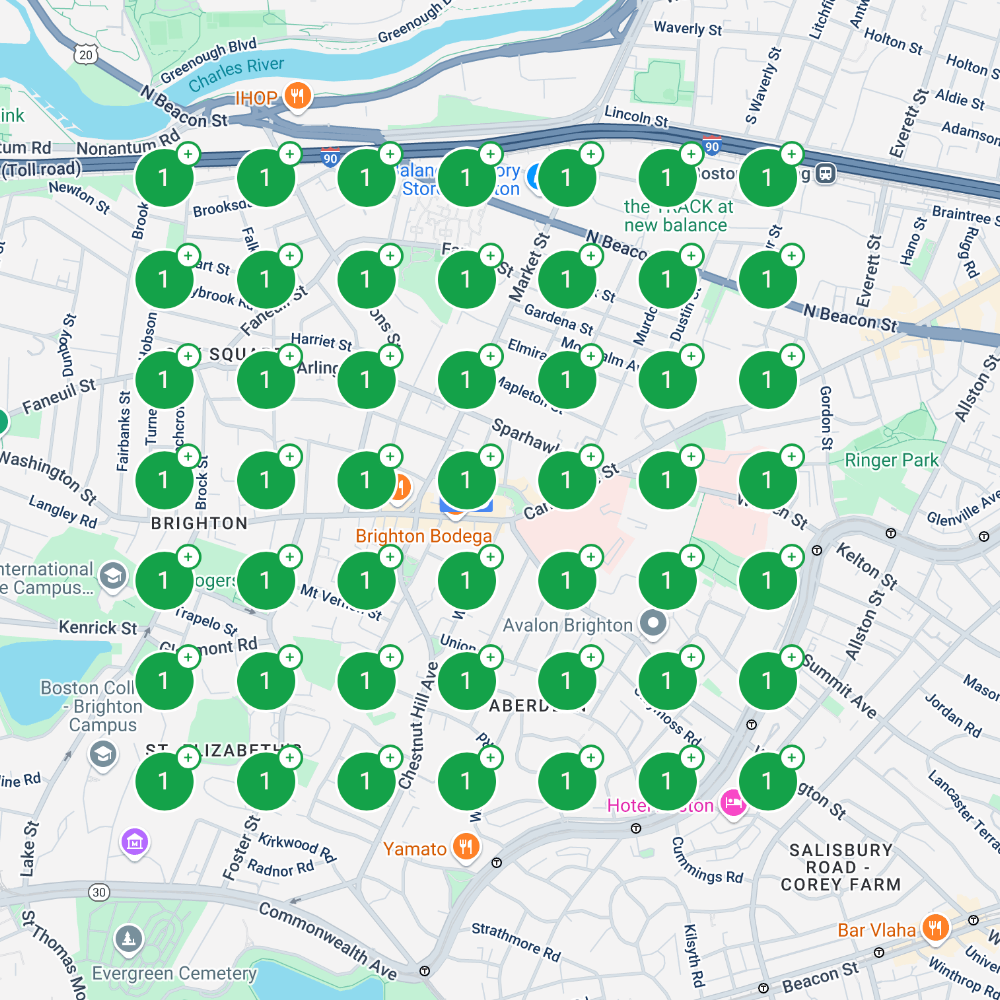
Boston may span just 48 square miles, but each neighborhood feels like its own small city. Searchers don’t type “best pizza Boston” when they live in Dorchester or Jamaica Plain. They search for “pizza JP” or “Dorchester Sicilian pizza.” This hyperlocality shapes every facet of SEO strategy.
Take a look at keyword data for “SEO Back Bay Massachusetts,” “SEO South End Massachusetts,” and “SEO Fenway Massachusetts.” Search volumes may look modest compared to “SEO Boston,” but conversion rates often soar. A law firm or dental office ranking for their exact neighborhood stands out as a local fixture, not just another generic result. Years ago, I watched a boutique gym in the North End triple its organic leads after switching from citywide targeting to a North End-focused content strategy.
Google’s algorithms have grown better at parsing this granularity, but they still lean heavily on site architecture and content signals. Location pages that read like boilerplate (“Our [Service] in [Neighborhood]”) get ignored by both users and crawlers. On the other hand, a page that mentions iconic streets (think Charles Street in Beacon Hill or Harvard Avenue in Allston), nearby T stops, and even beloved landmarks, signals authenticity. I’ve seen bounce rates drop by double digits simply by weaving real local references into service pages.
Citations: Beyond the Obvious
Most guides mention citations, but in Boston, the details matter more than most realize. Consistency of NAP (Name, Address, Phone) across major platforms is table stakes. What separates the top three pack from the rest is participation in hyperlocal directories.
For example, getting listed on the Allston Village Main Streets business directory or the Jamaica Plain Business & Professional Association can tip the scales for map pack visibility. These citations may drive only a trickle of direct traffic, but they send strong trust signals to Google’s local algorithm. The same holds true for regional media sites - coverage or event listings in outlets like Universal Hub or Patch’s neighborhood editions can punch above their weight.
One trade-off: hyperlocal listings often require manual outreach or even old-fashioned paperwork. Some are run by volunteers, with slow or irregular update cycles. But over time, these boston seo investments pay off in rankings that stick.
Neighborhood Reviews: The Subtle Kingmaker
Reviews are universally important, yet in Boston they take on added weight because of the city’s tribal sense of place. A Brighton resident trusts feedback from someone nearby far more than from across town or out-of-state.
Google pays attention too. Several times I’ve seen businesses rocket up the map pack after earning reviews that specifically mention the neighborhood. A coffee shop in Roslindale saw its listing jump after patrons referenced Rozzie Square or the Arnold Arboretum. Authentic reviews that drop local vocabulary - even T lines or school names - act as confirmation for Google’s location confidence.
Soliciting such reviews requires finesse. Blanket requests rarely yield the right detail. Instead, train staff to ask open-ended questions: “What did you think of our spot near JFK/UMass?” or “How was your walk over from Porter Square?” Over time, this prompts reviewers to naturally include hyperlocal cues.
Local Content: Moving Past the Blog Trap
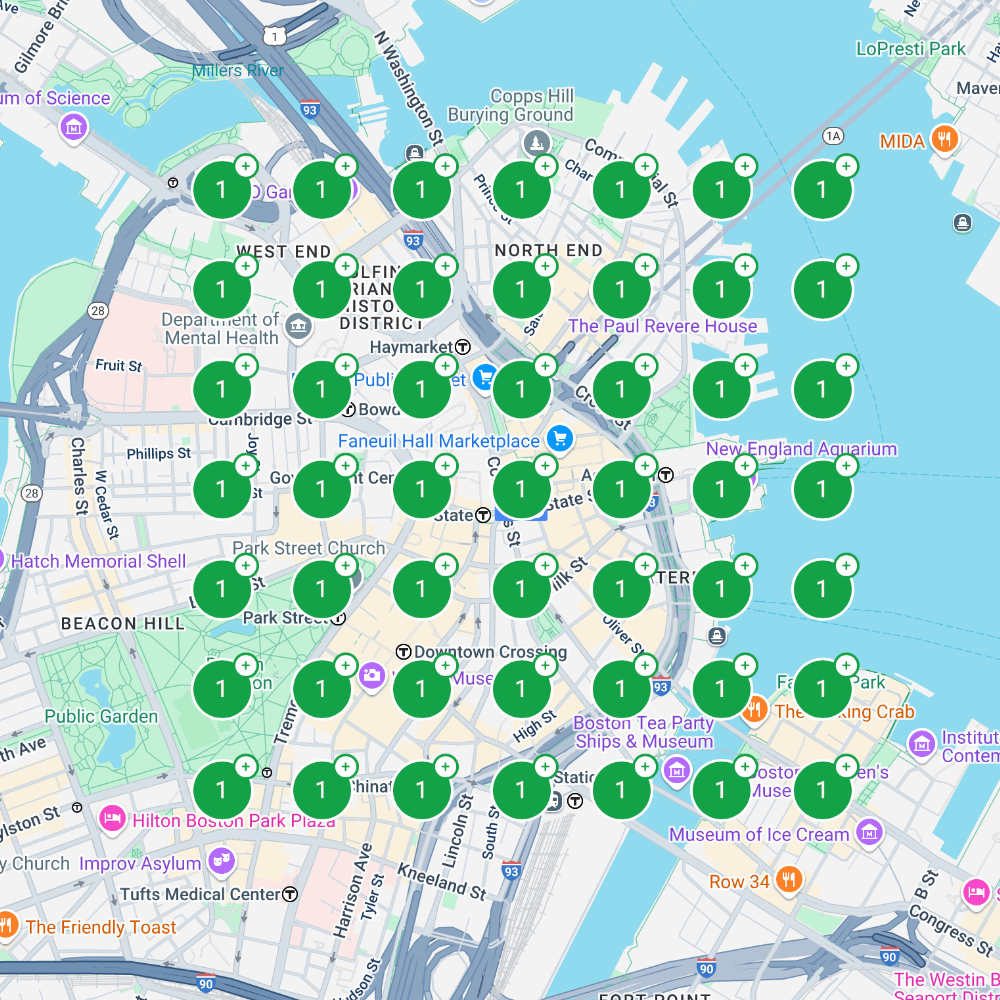
Most Boston businesses now have some form of blog or news section. Too often, it’s filled with generic posts about industry trends or events far outside the city. The real opportunity? Creating content that anchors your business inside its immediate community.
For example, an agency focused on “SEO Cambridge Massachusetts” doesn’t need another post about algorithm updates. Instead, profiles on local clients, recaps of events at MIT or Harvard, or guides to Cambridge tech meetups build both traffic and trust.
Better yet: collaborate with neighboring businesses for joint features or event roundups. Several years back, a South End retailer partnered with other Tremont Street shops for a shared holiday shopping guide. The result was cross-promotion on social media and organic links from neighborhood newsletters - a double boost for seo services boston ma both traffic and rankings.
This approach isn’t limited to retail or hospitality. Even B2B firms can spotlight client case studies with a hyperlocal angle (“How We Helped a Beacon Hill Law Firm Dominate Search”).
The Underestimated Power of Local Backlinks
Backlinks remain foundational for organic rankings, but chasing national domains can be a losing game for smaller Boston outfits. Instead, focus energy on cultivating genuine links from neighborhood organizations, local media, schools, and event pages.
I recall an HVAC company in Quincy that sponsored Little League teams in Weymouth and Braintree. Not only did they earn mentions on local league websites (sometimes with dofollow links), but these relationships led to interviews in regional papers and appearances at town festivals - all resulting in high-quality citations and links.
Another example: Cambridge and Somerville both host robust arts communities with dozens of annual events. By volunteering services or sponsoring gallery nights, businesses can secure placement on event pages that draw both foot traffic and digital relevance.
Tradeoffs: When Hyperlocal Focus Can Hurt
There are limits to granular targeting. A bakery in Mattapan may rank beautifully for “wedding cakes Mattapan” but miss out on broader orders if all content and optimization fixate solely on one neighborhood. The same applies along the Red Line corridor, where customer bases often span multiple adjacent neighborhoods (think of Milton, Dorchester, and Quincy).
The solution is layered targeting. Maintain cornerstone pages for primary neighborhoods while building secondary landing pages or FAQ sections that address adjacent areas (“Serving Hyde Park, Roslindale, and West Roxbury”). In practice, balancing these interests requires ongoing analytics review - watching which neighborhoods deliver profitable leads rather than raw traffic.
Technical Signals with Local Implications
Technical SEO best practices apply everywhere, but several aspects deserve special mention in Boston’s context:
- Schema Markup: Implementing LocalBusiness schema with accurate geo-coordinates can clarify service area boundaries for Google. Mobile Speed: Many Boston users rely on mobile search during commutes via MBTA lines or at street level downtown. Sites need to load quickly even on patchy public Wi-Fi. Embedded Maps: Including interactive maps pinpointing your exact location (especially in dense areas like Chinatown or the Financial District) reduces confusion for first-time visitors and boosts engagement metrics. Multi-location Site Structure: For companies serving Cambridge, Somerville, Brookline, and more, a clean URL hierarchy (e.g., /locations/cambridge/) paired with rich internal linking helps Google understand service coverage without diluting authority.
Neglecting these details can lead to misindexed pages or poor user experience - both fatal for long-term rankings.
Reputation Management Across City Lines
Boston’s sprawl means customers cross town borders daily. Businesses drawing clients from Waltham, Newton, Lexington, or Burlington must manage reputation beyond a single ZIP code.
A classic pitfall: A glowing reputation in Watertown gets undercut by negative reviews in Malden or Revere because of inconsistent service standards or miscommunications about delivery zones. Monitoring reviews across every platform - from Yelp to Nextdoor - helps catch issues early.
One actionable approach is mapping customer feedback by neighborhood using simple spreadsheets or CRM tags. Patterns often emerge revealing underserved pockets - perhaps Lynn generates more complaints about response times than Beverly or Peabody. Addressing these weak points strengthens both digital reputation and word-of-mouth.
List: Five Often-Ignored Boston SEO Tactics That Move the Needle
Claiming your business profile on hyperlocal platforms such as Mission Hill Main Streets or Charlestown Chamber of Commerce. Earning backlinks from Boston-area schools by sponsoring student projects or career days. Embedding walking directions from nearest MBTA stops directly into location pages. Hosting events tied to local traditions (like St. Patrick’s Day in South Boston) and securing coverage from event calendars. Publishing testimonials that quote real customers referencing specific Boston landmarks or neighborhoods.Each tactic may seem minor alone but together they create a web of authenticity Google can’t ignore.
Edge Cases: Navigating Gentrification and Demographic Shifts
Boston is no stranger to rapid change - entire neighborhoods transform within a few years. This churn affects both user search behavior and Google’s interpretation of local intent.
For instance, Allston once drew almost exclusively student queries (“cheap eats Allston”), but as new condos rise along Brighton Avenue, there’s growing demand for luxury services and upscale retail results. Similarly, East Boston’s demographic shift has changed dominant languages in reviews and queries.
Businesses must track these changes through regular keyword research and by analyzing review language for clues about shifting expectations. Adapting site copy every year or two keeps messaging aligned with real-world trends.
Anecdotally, I’ve seen older restaurants lose ground because their web presence remained stuck in a previous era - never mentioning new apartment complexes or transit expansions nearby.
Measuring What Matters: Beyond Rankings
Rankings alone don’t pay bills; conversions do. Metrics worth tracking include form submissions by ZIP code, call tracking tied to specific location pages, and even foot traffic spikes following local event sponsorships.
I worked with a Brighton-based auto shop whose rankings plateaued despite heavy investment in SEO Brighton Massachusetts terms. Only after segmenting calls by referring page did we discover that nearby Allston residents searched differently - using slang or referencing intersections unknown outside their area. A simple tweak in copy (“near Union Square Allston”) led to measurable upticks in both calls and scheduled appointments.
Second List: Four Questions Every Boston Business Should Ask About Their Local SEO
Are our location pages filled with genuine neighborhood references - streets, parks, T stops - rather than just keywords? Which hyperlocal directories have we missed that competitors appear in? Do our reviews reflect specific neighborhoods served? How has recent demographic change shifted what our ideal customers search for?Regularly revisiting these questions keeps strategies current as the city evolves beneath your feet.
Final Reflections: Think Like a Local First
Boston rewards those who pay attention to detail - not just the broad strokes of optimization but the subtle signals that define neighborhood identity online. A cookie-cutter approach may work elsewhere but falls flat here where people care which side of Mass Ave you’re really on.
Whether you’re optimizing SEO Dorchester Massachusetts pages for a multi-location law firm or building presence in lesser-served suburbs like Sudbury or Acton, success comes down to rooting your digital footprint inside lived reality. That means walking the streets you serve, listening to customers’ language quirks, collaborating with real neighbors online and offline.
The best-ranking sites are those that feel woven into the urban fabric. In Boston SEO, as in so much else here, place matters more than most outsiders ever realize.
SEO Company Boston 24 School Street, Boston, MA 02108 +1 (413) 271-5058